Today’s generation is witnessing an intriguing paradigm shift in career preferences. Traditional jobs are being overlooked for dynamic, digitally powered, creative roles. Amidst this wave of change, one career that tops popularity charts is being a YouTube influencer. But why is this career choice so desirable? The answer is simple: YouTube influencers can make really good money. Here’s an in-depth look at their earning potential.

Ad Revenue

YouTube influencers can monetize their content and earn substantial ad revenue. Once a channel surpasses YouTube’s eligibility criteria (1,000 subscribers and 4,000 hours of watch time in the past year), the influencer can apply to join the YouTube Partner Program. Monetization then becomes possible with the display, overlay, and video ads. The final payout depends on factors like video views, viewer location, and viewer engagement.

Brand Sponsorships

Once influencers gain popularity and establish a substantial fanbase, they often command the attention of brands. Companies are willing to pay influencers to promote their products or services to their dedicated fans, knowing that an influencer’s recommendation can significantly sway consumer behavior. A single sponsored video can bring in thousands of dollars depending on the influencer’s popularity, viewership, and the brand’s budget.

Affiliate Marketing

YouTube influencers can also earn through affiliate marketing by promoting products or services with a unique affiliate link or code. When viewers make a purchase using these links, the influencers earn a commission. Considering how vast and varied YouTube’s audience is, effective affiliate marketing can rake in good money.

Merchandising

Merchandising is another lucrative income stream for a YouTube influencer. Many influencers create their own merchandise like clothing, accessories, or other products related to their content or persona. This not only serves as an additional revenue stream but also strengthens their brand and deepens their connection with fans.

Channel Memberships And Super Chat

YouTube provides features like Channel Memberships and Super Chat for creators to monetize their engaging fanbase. With Channel Memberships, viewers pay a monthly recurring fee to get unique badges, new emojis, Members-only videos, and other perks. Super Chat, on the other hand, is a feature that allows fans to pay to highlight their comments during a live chat, ensuring their favorite influencer notices them.

Crowdfunding And Patreon

Many YouTube influencers turn to crowdfunding platforms to garner financial support for their content creation endeavors. Patreon, for example, allows creators to receive recurring payments from fans, who in return receive exclusive content, community access, insight into the creator’s creative journey, and more.
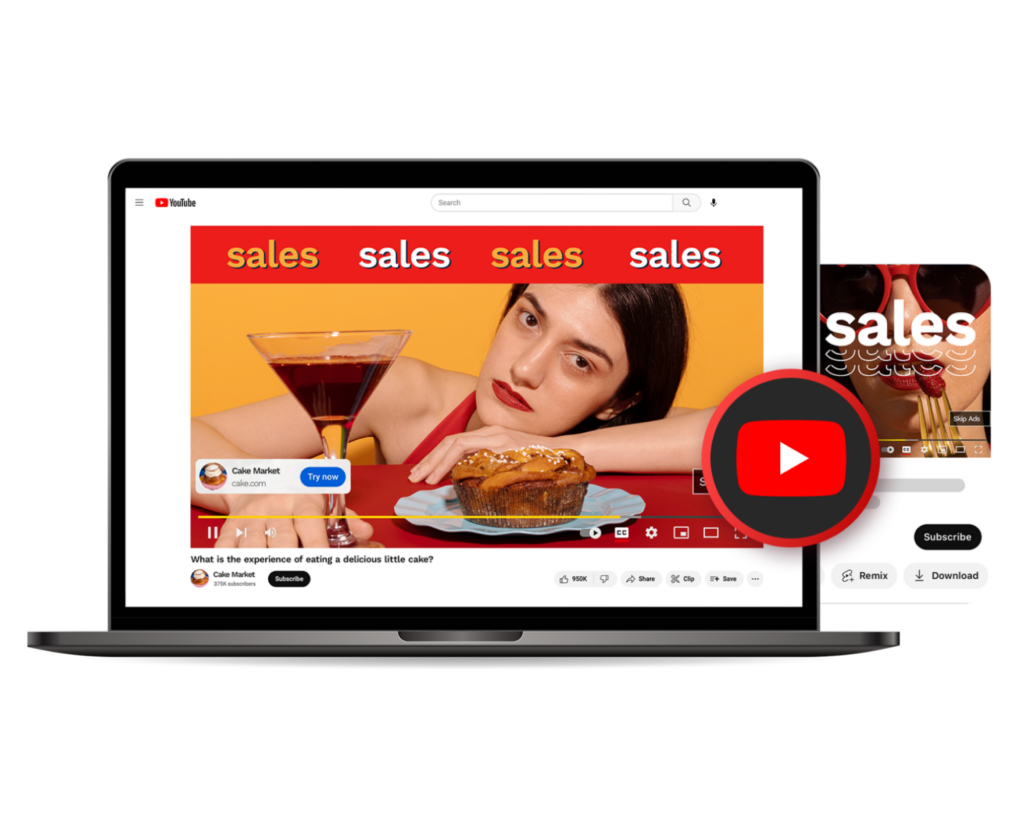
YouTube, the colossus of online video content, has revolutionized how we consume media. But amid the cat videos and makeup tutorials lies an often contentious issue — YouTube ads. The question that divides many: do people really watch YouTube video ads or have they simply become an inconvenience to skip as fast as possible?

The Power of YouTube Ads

Ads are often the first things viewers see when opening a video on YouTube, making these brief seconds of relevance imperative. The real drawing card? The diversity of ad formats: from skippable and non-skippable in-stream ads to discovery and bumper ads, which allows brands to share their stories in versatile ways.

Who’s Watching?

Various research studies indicate differing results. According to a recent study by the IPG Media Lab, a staggering 76% of users skip ads as soon as they have the chance. However, this doesn’t necessarily equate to these ads being ineffective.

Certain demographics are more likely to watch ads than others. A 2019 study by GlobalWebIndex found that younger generations, particularly Gen Z and Millennials, are usually more open to watching YouTube ads. This group appreciates creative and engaging ads that tell a compelling story.

The Intricacies of Skippable Ads

While many people tend to skip YouTube ads, the length of watching time before hitting the ‘skip’ button is critical. YouTube’s skippable TrueView ad format only charges advertisers when viewers watch at least 30 seconds, of the entire video, or interact with the ad.

This means marketers have roughly five seconds to grab the viewer’s attention and make their pitch. If done correctly, these five seconds can leave a lasting impact, even if the user decides to skip the ad afterward.

Non-skippable Ads and Engagement

Non-skippable ads, which typically last 15-20 seconds, require a different viewing necessity. Consumers can’t skip these, granting advertisers the full spotlight to deliver their message. Here, the viewer’s reaction is a more significant measure rather than viewing time. Research suggests such ads could lead to higher viewer engagement, particularly when they are well-crafted and aligned with viewers’ interests.

The Ad-Skip Paradox

Surprisingly, a phenomenon known as the “ad-skip paradox” indicates people might remember YouTube ads they skipped better than those they watch entirely. This outcome could be attributed to the interaction needed to press the ‘skip ad’ button, forcing viewers to engage with the ad in question.

So, Do People Really Watch Ads On YouTube?

Concisely, the understanding is nuanced. Some users inevitably skip or ignore YouTube video ads, while others watch them, especially when these ads are relevant, engaging, and speak to their interests. However, it is unquestionable that despite being skipped, YouTube ads can still make a significant impact, attributing to a brand’s recognition or leading to substantial conversions.

Often mistaken for merely a home to music videos or comedy sketches, YouTube is a hidden gem in the world of lead generation. Nudging its way to being the second-largest search engine in the world, YouTube opens up a world of opportunities for businesses to attract and convert prospects. Let’s unravel some of the best methods for generating leads through this monumental platform.

Crafting High-Quality Videos: The Power of First Impressions

Creating attractive, engaging content is the backbone of successful lead generation on YouTube. Ensure your videos are high-quality, relevant to your viewer’s interests, and capable of offering a solution to their problem(s). This brings higher engagement, long-term subscribers, and eventually, interested leads. Employ compelling storytelling, credible testimonials, and product demos to pique interest, drive engagement, and subtly drive viewers toward your products or services.

Ignite Action with Strong CTAs: Lead Them Where You Want to Go

A clear, compelling Call-to-Action (CTA) is crucial in mobilizing viewers to become leads. It could be an urge to subscribe to your channel, visit your website, sign up for a newsletter, download an eBook, or register for a webinar. Exploit YouTube features like end screens, cards, or annotations to embed your CTAs directly in your videos. Remember, every viewer who follows through your CTA becomes a potential lead.

Optimizing Video Descriptions: Harness the Power of SEO

Video descriptions are an underutilized asset when it comes to SEO on YouTube. Sprinkle relevant keywords strategically in your descriptions without overloading them and adding clickable URLs that can direct viewers to your landing page or website. This optimizes search engine visibility, exposes your content to a broader audience, and raises the likelihood of lead generation.

Creating Custom Thumbnails: Stand Out in the Crowd

A thumbnail is your first step in luring in potential leads. Custom thumbnails that are clear, relevant, and intriguing increase the click-through rate of your videos. Including text or labeling the thumbnail with a pertinent title can help catch the viewer’s eye. Always remember, enticing thumbnails make viewers wonder what’s inside.

Building Lead Magnets: Offering Value to Gain Trust

Today’s generating leads often involves an exchange of value — your viewers provide their contact details in return for valuable content. To captivate potential leads, offer lead magnets like free eBooks, guides, templates, or exclusive video content in return for their email addresses. When viewers perceive the value in your free content, they’re more likely to give you their contact information willingly.

Leveraging YouTube Ads: Targeting Potential Leads

YouTube offers precise targeting options with its advertising services. You can target ads based on user demographics, interests, search history, and more. TrueView ads, for instance, which play before a YouTube video, only charge you when a viewer watches your complete ad, making it a cost-effective lead generation tool.

YouTube is one of the most popular websites in the world, but it can be difficult to stand out from the crowd and attract viewers to your channel. Fortunately, there are some simple and effective ways to get more views on YouTube—and if you follow this guide, you’ll have all the information you need!

Add A Custom Thumbnail

A custom thumbnail is a great way to catch the eye of your audience, and it can improve your click-through rate by up to 40%. A custom thumbnail should be relevant to the content of your video, but it also needs to be unique and eye-catching–a good rule of thumb is that if you have more than five seconds’ worth of footage showing in a standard 16×9 frame (e.g., people sitting at a table), then you should probably consider making one.

Make Your Video Short, Yet Compelling

One way to get more YouTube views is to keep your videos short and sweet. It’s important that you have a compelling story to tell your audience, but it’s also important that the video is interesting and engaging from start to finish.

To keep the viewers interested in your videos (and hopefully get them sharing it), make sure that each video has a clear call-to-action at its end. This can be something as simple as asking for comments or suggestions on what topic you should cover next time around–it all depends on what works best for your brand!

Use A Call-To-Action In Your Title

A call-to-action (CTA) is a phrase or sentence that encourages viewers to take action. It can be as simple as “click here” or “subscribe now,” but you can also create more elaborate CTAs by asking questions and providing useful information, like “10 reasons why you should subscribe.” When creating your video titles, look for opportunities where adding a button and link will make sense for both visitors and search engines alike.

Include An Original Music Track Or Sound Effect

Music is a powerful tool for YouTube views. A good song can set the tone of your video and draw attention to it, making it more memorable and emotional.

It’s important to pick music that fits with your content, though! If you’re doing an explainer video about how to make pizza, don’t use sad piano music–you’ll just confuse people!

Conclusion

In the end, there really is no magic or secret way to get more views on YouTube. You can follow as many of these tactics as you want, and there’s a good chance you’ll see an impact. But in the end, you need to decide which strategies will be right for your situation—and hopefully, this article has given you some ideas about how to make your videos more popular.

In the past few years, YouTube has become an important marketing tool for businesses of all sizes. A recent study reported that more than half of small businesses are using YouTube to connect with their audiences, and it’s no surprise why: According to Social Media Examiner, Facebook posts have a reach of just 2% while videos get a 14% reach. But if you’re looking to leverage the power of video, it’s critical to follow these three steps:

Keyword Research

Keyword research is the foundation of YouTube marketing strategy. Keywords are the words that people use to search for products and services, and they help you target the right audience. They also help you rank high on search engines like Google, which is important because more than half of all clicks go to the first result on a SERP (search engine results page).

For example, let’s say that you’re an optometrist with an office in New York City who specializes in eye exams for children. You want to attract more customers so that your practice can grow faster than its current rate of 10% growth per year; however, most people aren’t aware of what kind of eye problems children face until they take their child into an optometrist’s office like yours.

Your goal would be to find keywords related specifically toward this issue so that when someone searches “eye exam NYC kids” or similar terms on Google or Bing/Yahoo!, they’ll see your website at or near the top of their results page–and then click through!

Identify Your Target Audience

The first step in any successful marketing campaign is identifying your target audience. This can be tricky, but it’s also the most important part of your YouTube marketing strategy. If you don’t know who you’re trying to reach, how will you know how best to reach them?

The good news is that there are several ways of figuring out who might be interested in your videos–and once you’ve done so, it’s easier than ever before for those people to find what they want on YouTube.

Rank Highly On Search Engines

The second step is to rank highly on search engines. This means that when people search for your keywords, they will be able to find your videos easily. Here are some ways that you can do this:

  • Use your keywords in the title and description of each video.
  • Add metadata tags (keywords) at the end of each video’s filename when uploading it to YouTube or Vimeo (e.g., “video-title-tag”).
  • Add links back to related content on other pages within the website (this helps with user experience).
  • Add links back from other websites that link directly into content on yours.

You should also optimize all videos with relevant keywords before uploading them onto platforms such as Facebook, Twitter and Instagram (if applicable).